
NIO's continuous wave winding reaches series production in 925 V electric drive
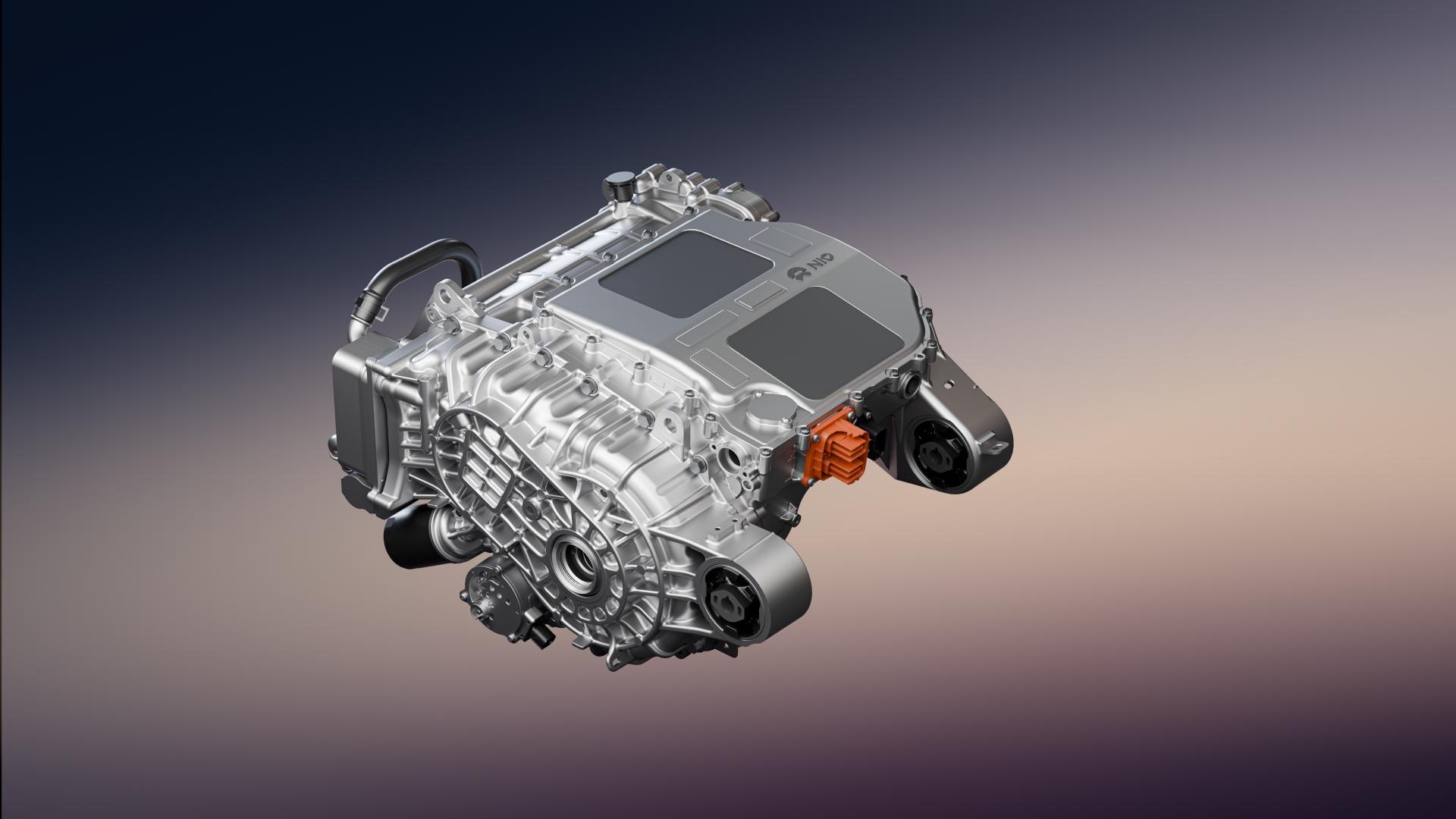
A NIO-led electric drive project built on continuous wave winding has won First Prize at the 2026 China-SAE Science and Technology Award, Electrified Future reported on 4 November 2026. Project data published with the award shows how the winding process moved from the laboratory into million-unit series production.
Continuous wave winding forms flat copper wire into its final shape in one bending sequence, cutting the bend-and-weld steps of segmented windings such as hairpin designs. The approach had mostly appeared in small motors with short conductors, and the industry had no precedent for running it in a high-power drive motor at high yield.
According to the project data, the production line forms 12 flat copper wires, each five metres long, through 24 bends in a single pass, while holding the insulation layer to 0.14 mm and motor assembly tolerance to 0.02 mm. Series production began in December 2024 at NIO's second electric drive plant in Hefei, which runs a 925 V flat-wire stator line with automated insertion. The company reports production efficiency of about 94% and a qualification rate of roughly 99.6%.
The 925 V system reports a motor power density of 19.06 kW/kg, a controller power density of 226.92 kW/L and a peak boost charging power of 202.78 kW. Because the higher voltage raises demands on insulation, the team developed a new insulation material with an international chemical materials partner and validated it through high-temperature endurance, electrical stress, mechanical vibration and temperature cycling. The system completed 1,300 hours of high-temperature running without fault, accumulated more than 500 hours in a simulated 5,500-metre altitude programme with sustained high voltage and switching at up to 15,000 times per second, and ran between minus 40 and plus 85 degrees Celsius for more than two months.
Project partners include Tongji University, Harbin University of Science and Technology and Baoshan Iron & Steel. The programme reports 146 authorised patents and participation in drafting six national standards.
For winding shops and motor designers, the significance is that continuous wave forming, long considered a small-motor technique, now has a documented high-power automotive reference at scale.
The 925 V electric drive unit built with continuous wave winding. Photo: NIO